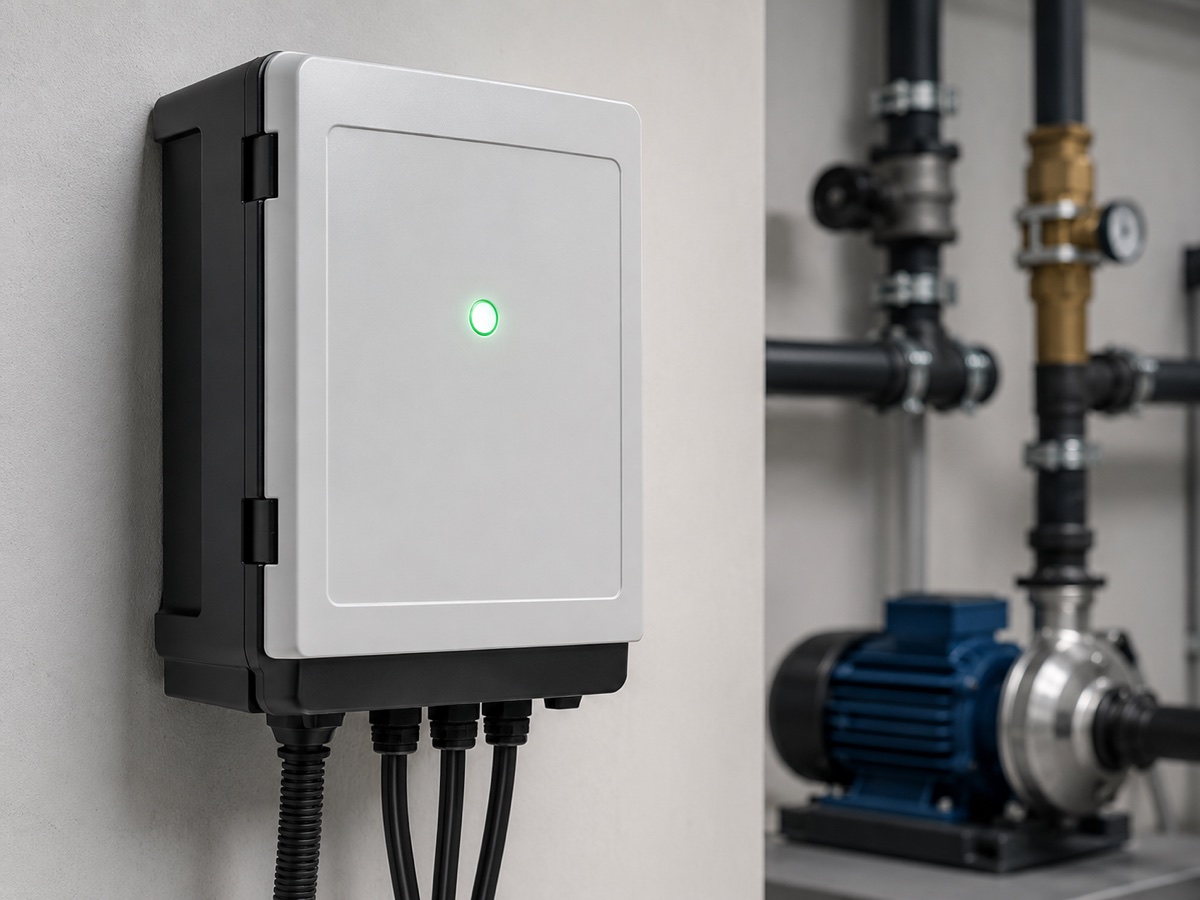
When a water pump keeps tripping the MCB (the miniature circuit breaker in your panel), the reflex is to just reset it and move on. But an MCB trips to protect the circuit from too much current — so a pump that trips repeatedly is telling you something is drawing more power than it should. Ignoring it usually ends in a burnt-out motor. Here’s how to read the signal.
What tripping actually means
An MCB trips on overcurrent. For a pump, that means the motor is pulling more current than its rating — either briefly (a surge) or sustained (overload). The job is to figure out why the current is high, because the current draw is a direct readout of the motor’s health and load.
The common causes, and how to tell them apart
- Overload from a blocked or stiff pump. If the impeller is jammed with debris or the bearings are seizing, the motor works harder and draws more current. This tends to trip shortly after starting, every time.
- Dry running. A pump running without water can draw an abnormal current pattern; combined with heat, this trips the breaker. If it trips more often in summer or when your borewell is low, suspect this.
- Low or unstable voltage. When supply voltage sags, a motor draws more current to deliver the same power — Indian supply voltage swings make this common. This often correlates with time of day (peak-load hours) rather than the pump itself.
- Motor winding or insulation fault. Aging insulation or a partial short in the windings causes excess current draw. This gets progressively worse and is a sign the motor is near end of life.
- Undersized or degraded MCB. Sometimes the breaker itself is the wrong rating or has weakened with age and trips below its nominal current. Worth checking, but rule out the pump first — a healthy pump shouldn’t need a bigger breaker to run.
A simple diagnostic sequence
- When does it trip? Immediately on start (mechanical overload/blockage), after running a while (heating/dry run), or at specific times of day (voltage sag).
- Is the pump hot or noisy? Excess heat and unusual noise point to bearing wear or a mechanical bind.
- Check voltage at the panel during a trip-prone period. A significant sag explains time-correlated tripping.
- Measure running current against the motor’s rated current. A pump consistently drawing above its rating has a real fault to find, not just a breaker to reset.
Why repeated tripping is early warning, not just a nuisance
Here’s the insight most people miss: the current draw of a pump changes gradually as it degrades — bearings wear, impellers foul, windings age — and that change is visible in the electrical signature long before the pump actually dies. A pump that has started tripping “more than it used to” is often weeks into a decline. If you’re only seeing the trips (a binary “it stopped again”), you’re seeing the late-stage symptom of a trend that was measurable much earlier.
What monitoring changes
A system that continuously watches the pump’s electrical and vibration signature can flag the degradation while it’s still a gentle trend — “Pump 3’s current draw has crept up 18% over three weeks” — and schedule service before the breaker starts tripping at all. Instead of resetting the MCB and hoping, you get a pump health score that turns “it keeps tripping” into “service this pump in the next two weeks.” That’s the difference between planned maintenance and an emergency motor replacement on a Sunday.
It also distinguishes the causes automatically: a voltage-correlated trip pattern looks different from a dry-run pattern, which looks different from a mechanical overload. Knowing which one you have — without a technician standing there with a clamp meter at the exact moment it trips — is most of the battle.
Frequently asked questions
Should I just fit a bigger MCB so it stops tripping?
No — that’s dangerous. The MCB is sized to protect the motor and wiring. Fitting a larger one removes the protection while leaving the underlying fault, and lets the motor keep drawing damaging current until it burns out or the wiring overheats.
Can low voltage really trip the breaker?
Yes, indirectly. When voltage sags, the motor compensates by drawing more current to maintain output, and that higher current can trip the MCB. This is why tripping sometimes tracks time of day rather than anything about the pump.
How would monitoring have caught this earlier?
Because the motor’s current and vibration signature drift measurably as it degrades. Continuous monitoring sees that drift and alerts on the trend, giving you weeks of warning before the pump reaches the point where it trips the breaker.
